Ultrasonic Sensors Not Working? 7 Easy Causes & Fixes
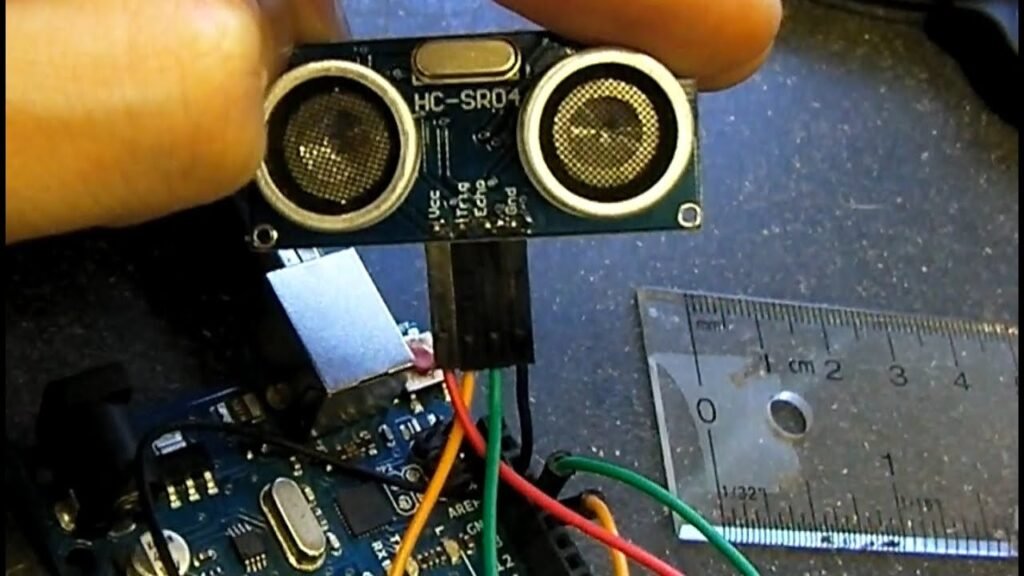
Are your ultrasonic sensors not working when you park or approach an obstacle? A parking sensor system can stop responding for several reasons, including dirt on the sensor surface, moisture, physical damage, wiring faults, low voltage, or a problem with the parking-assist control module.
Fortunately, many parking sensor problems are easier to diagnose than they first appear. For example, a dirty sensor may stop detecting nearby objects even though the sensor itself is still functional. In other cases, one failed sensor can cause the entire parking-assist system to display a warning or stop operating.
This guide explains how automotive ultrasonic sensors work, why they fail, how to identify a faulty sensor, and what you can check before replacing parts.
What Are Ultrasonic Sensors in Vehicles?
Automotive ultrasonic sensors help drivers detect objects while parking or maneuvering at low speeds. Manufacturers commonly install them across the front and rear bumpers.
Each sensor sends out high-frequency sound waves. When those waves hit an object, they reflect toward the sensor. The parking-assist system then calculates the approximate distance between the vehicle and the obstacle.
As the vehicle gets closer to an object, the system may:
- increase the frequency of warning beeps
- display a visual distance indicator
- show a parking-assist warning
- provide information to an automated parking system
Therefore, the sensors need a clear surface and a reliable electrical connection to work correctly.
Why Are My Ultrasonic Sensors Not Working?
If your ultrasonic sensors are not working, start with the simple causes before assuming that an expensive control module has failed.
If your ultrasonic sensors are not working, start with the simplest causes before replacing any parts.
The most common causes include:
- dirt, mud, ice, or snow covering a sensor
- water or moisture around the sensor
- a cracked or damaged sensor
- paint or body filler covering the sensor face
- loose electrical connectors
- damaged or corroded wiring
- low battery voltage
- blown fuse or power-supply problem
- a faulty parking-assist control module
- software or calibration issues
In addition, a bumper repair or repaint can sometimes create parking sensor problems if a sensor was installed incorrectly afterward.
1. Dirt, Mud, Snow, or Ice on the Sensors
One of the easiest problems to fix is contamination on the sensor surface.
Because parking sensors sit on the bumper, they constantly face:
- road dirt
- dust
- mud
- rain
- snow
- ice
- wax or polish residue
A thick layer of contamination can interfere with the sound waves. As a result, the system may fail to recognize an obstacle or may produce false warnings.
What to Do
First, inspect every parking sensor.
Clean the sensor faces gently with a soft microfiber cloth and clean water. If necessary, use a mild automotive cleaning solution.
However, avoid abrasive materials or aggressive chemicals because they may damage the sensor surface or surrounding paint.
After cleaning, test the system again.
2. Moisture or Heavy Rain
Sometimes drivers notice their ultrasonic sensors not working after rain or a car wash.
Water on the sensor surface can temporarily change the way ultrasonic waves travel or reflect. Moisture can also enter a damaged sensor or connector.
If the system starts working again after the vehicle dries, surface moisture may have caused the problem.
However, repeated failures after rain can indicate:
- a cracked sensor housing
- damaged connector seals
- water inside the bumper wiring
- corrosion in an electrical connector
Therefore, persistent rain-related failures deserve a closer inspection.
3. Physical Damage to a Parking Sensor
Parking sensors can suffer damage from surprisingly small impacts.
For example, damage may occur after:
- lightly hitting another vehicle
- contacting a wall or post
- bumper removal
- collision repair
- pressure washing too closely
- stones or road debris striking the sensor
A damaged sensor may look cracked, pushed inward, loose, or misaligned.
In some cases, the outside may look normal even though the internal electronics have failed.
Therefore, visual inspection is useful, but it cannot always confirm whether a sensor works.
4. Paint or Body Filler Covering the Sensor
Parking sensors may stop working correctly after bumper painting or body repair.
A sensor that has been covered with too much paint, filler, or another coating may struggle to transmit and receive ultrasonic signals.
For this reason, sensors should be refinished according to the vehicle manufacturer’s repair requirements.
If the problem began immediately after bumper repair, inspect:
- sensor orientation
- mounting brackets
- connector installation
- paint thickness
- sensor position in the bumper
In addition, confirm that the repair shop installed the correct sensors in their original locations.
5. Wiring or Connector Problems
A sensor needs both power and communication with the parking-assist system.
Therefore, a wiring fault can make a perfectly good sensor appear defective.
Common electrical problems include:
- loose connectors
- broken wires
- corroded terminals
- damaged harnesses
- water intrusion
- poor electrical grounds
If only one sensor fails, inspect the connector and wiring near that sensor first.
However, if several sensors fail at the same time, check shared wiring, power supply, fuses, and the parking-assist control module.
6. Low Battery Voltage
Modern vehicles rely heavily on stable electrical voltage.
A weak battery or charging-system problem can sometimes cause electronic modules to shut down certain features or store fault codes.
As a result, parking assist may become unavailable even though the ultrasonic sensors themselves are not damaged.
If several unrelated warning messages appeared at the same time, check:
- battery condition
- battery terminals
- charging voltage
- relevant power-supply faults
Therefore, avoid replacing parking sensors until basic electrical health has been confirmed.
7. One Faulty Sensor Can Affect the Whole System
On some vehicles, one defective parking sensor can make the entire system stop operating normally.
Instead of disabling only the failed sensor, the control module may:
- switch off parking assist
- display a warning message
- produce a continuous tone
- store a diagnostic trouble code
For example, a system with eight sensors may stop functioning correctly because only one sensor has failed.
This is why individual sensor testing can be useful.
8. Parking-Assist Control Module Problems
The control module receives information from the sensors and decides how to warn the driver.
If the module develops a fault, several sensors may appear inactive even when they are functional.
Possible module-related problems include:
- internal electronic failure
- loss of power
- poor ground
- communication-network faults
- water damage
- software problems
However, module failure is usually less sensible to assume before checking sensors, connectors, wiring, and power supply.
How Do I Know If an Ultrasonic Sensor Is Malfunctioning?
Several symptoms can indicate a parking sensor problem.
No Warning Sound
The system may not beep when the vehicle approaches an obstacle.
However, first check whether the parking-assist system has been manually switched off.
Continuous Beeping
A continuous tone can indicate that the system believes an object is extremely close.
On some vehicles, it can also indicate a system fault.
Parking-Assist Warning Message
The dashboard or infotainment display may show messages such as:
- Parking Assist Unavailable
- Parking Sensor Fault
- Park Assist Malfunction
- Check Parking System
The exact wording depends on the manufacturer.
One Sensor Does Not Respond
If the other sensors respond normally but one location consistently fails, that sensor or its wiring may be defective.
False Warnings
The system may beep even when no obstacle is nearby.
In this case, check for dirt, moisture, a loose sensor, bumper damage, or incorrect sensor alignment.
How to Test an Ultrasonic Parking Sensor
If your ultrasonic sensors are not working, several tests can help narrow down the problem.
When ultrasonic sensors are not working, a step-by-step inspection can help identify whether the problem is dirt, wiring, or a failed sensor.
Step 1: Clean Every Sensor
First, clean all sensor surfaces.
Then switch the parking system on and retest it.
This simple step can solve problems caused by road contamination or weather.
Step 2: Inspect the Bumper
Next, look for:
- cracked sensors
- pushed-in sensors
- loose mounting brackets
- recent paintwork
- collision damage
Pay particular attention to the area where the problem seems strongest.
Step 3: Listen or Feel for Sensor Activity
Some ultrasonic parking sensors produce a very faint clicking or ticking sensation while operating.
With the parking-assist system active, you may be able to carefully listen near each sensor or lightly touch the sensor face to compare them.
However, this method does not work reliably on every vehicle. Therefore, treat it as a quick comparison rather than a definitive diagnosis.
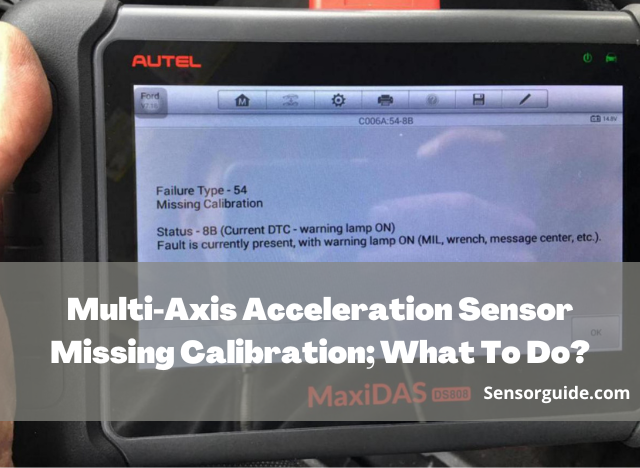
Step 4: Scan the Parking-Assist Module
Use a diagnostic scanner that can communicate with the vehicle’s parking-assist system.
A basic generic OBD-II reader may only access engine and emissions information. Therefore, you may need an advanced scan tool capable of reading body or parking-assist modules.
The scan may identify:
- a specific faulty sensor
- an open circuit
- a short circuit
- communication faults
- module problems
Step 5: Inspect Wiring and Connectors
If the scanner identifies a particular sensor, inspect its wiring before replacing it.
For example, a damaged connector can produce the same symptoms as a failed sensor.
Step 6: Swap Sensors Only When Appropriate
On some vehicles, identical sensors can be swapped between positions for diagnostic purposes.
If the fault moves with the sensor, the sensor itself is likely defective.
However, do not do this unless the sensors are interchangeable and the manufacturer’s procedure allows it.
Can I Fix Ultrasonic Sensors Myself?
Sometimes.
If your ultrasonic sensors are not working, simple cleaning and inspection should always be the first steps before replacing components.
If the problem involves dirt, snow, ice, or another simple obstruction, you can often solve it without special tools.
You may also be able to replace an easily accessible parking sensor if you have suitable repair experience.
However, electrical diagnosis becomes more complicated when the fault involves:
- damaged wiring
- module communication
- calibration
- bumper removal
- software
- control-module replacement
In those situations, professional diagnosis may save time and prevent unnecessary parts replacement.
Ultrasonic Sensors Not Working After a Car Wash
If your ultrasonic sensors are not working after a car wash, do not immediately replace them.
If your ultrasonic sensors are not working after washing the vehicle, allow the bumper area to dry completely before assuming that a sensor has failed.
First, dry and clean each sensor.
Then inspect for:
- trapped water
- loose sensors
- damaged seals
- water inside connectors
If the system works normally after drying, moisture may have temporarily interfered with the sensors.
However, if the same problem returns every time the vehicle gets wet, inspect the sensor housings and connectors for water intrusion.
Ultrasonic Sensors Not Working After Bumper Repair
Parking sensor faults after bumper repair deserve special attention.
During repair, technicians may remove:
- bumper covers
- sensor brackets
- wiring harnesses
- parking sensors
Therefore, one connector left loose can disable part or all of the system.
In addition, an incorrectly seated sensor may point at the wrong angle and generate false readings.
If the problem began immediately after bodywork, return to the repair area first rather than assuming a random electronic failure.
How to Prevent Ultrasonic Sensor Problems
A few simple habits can help keep the system working correctly.
Regular maintenance can reduce the chances of ultrasonic sensors not working because of dirt, moisture, or minor electrical problems.
Keep the Sensors Clean
Regularly wipe dirt, mud, snow, and ice from the bumper sensors.
Avoid High-Pressure Spray at Close Range
Do not aim a pressure washer directly at the sensor from a very short distance.
Inspect After Minor Impacts
Even a small bumper impact can move a sensor or damage its bracket.
Use Care During Bumper Painting
Make sure the repair facility follows appropriate procedures when refinishing sensor-equipped bumpers.
Fix Electrical Problems Early
Battery, wiring, and connector issues can affect several electronic systems. Therefore, investigate repeated warning messages rather than ignoring them.
Should You Drive With Faulty Parking Sensors?
A vehicle can usually still be driven if only the parking sensor system has failed.
When ultrasonic sensors are not working, use extra caution while parking because the usual obstacle warnings may not be available.
However, you should remember that parking sensors are an assistance feature rather than a replacement for checking mirrors, cameras, and your surroundings.
When the system is faulty, do not depend on it to detect:
- low objects
- posts
- walls
- pedestrians
- nearby vehicles
For more information about driver-assistance technology and its limitations, see the National Highway Traffic Safety Administration’s driver-assistance information.
Mercedes Parking Sensor Problems
The basic diagnostic approach is similar across many manufacturers, but specific systems can behave differently.
For example, Mercedes-Benz parking systems may show different warnings and diagnostic codes depending on the model.
If you own a Mercedes, see our Mercedes parking sensors guide for more model-specific information.
Frequently Asked Questions
Why did all my parking sensors suddenly stop working?
If all sensors stopped simultaneously, check the parking-assist switch, fuse, battery voltage, shared wiring, and control module before replacing individual sensors.
Can dirt make an ultrasonic parking sensor stop working?
Yes. Dirt, mud, ice, snow, and other material on the sensor surface can interfere with ultrasonic signals.
Therefore, cleaning the sensors should be one of your first troubleshooting steps.
Why does my parking sensor beep when nothing is there?
False warnings can result from dirt, water, ice, sensor misalignment, bumper damage, or a defective sensor.
In addition, some environmental surfaces can reflect ultrasonic signals in unusual ways.
Can heavy rain affect parking sensors?
Yes. Heavy rain or water covering the sensor can sometimes temporarily affect performance.
However, repeated failure whenever the vehicle gets wet may indicate water intrusion or a damaged sensor.
Can a basic OBD-II scanner diagnose parking sensors?
Not always.
Many generic OBD-II scanners mainly read engine and emissions-related information. You may need a scanner capable of accessing the parking-assist or body-control module.
Does one bad parking sensor disable the entire system?
It can.
The behavior depends on the vehicle, but some parking-assist systems disable themselves when one sensor or circuit reports a fault.
Do ultrasonic parking sensors require maintenance?
They require little routine maintenance. Nevertheless, keeping the sensor surfaces clean and checking them after bumper impacts can prevent many common issues.
Conclusion
When ultrasonic sensors are not working, start with the simplest possibilities: clean the sensors, inspect them for damage, and check whether moisture or bumper repairs may have affected the system.
In many cases, ultrasonic sensors are not working because of contamination, moisture, or a minor electrical fault rather than complete sensor failure.
Next, consider electrical problems such as wiring, connectors, battery voltage, or a failed sensor. If simple checks do not identify the problem, an advanced diagnostic scanner can help determine which sensor or control circuit has stored a fault.
Most importantly, avoid replacing several parking sensors without confirming the cause. A dirty sensor, loose connector, damaged wire, or control-module issue can sometimes create the same symptoms as a failed sensor.
By following a logical diagnostic process, you can find the actual cause more efficiently and restore the parking-assist system without unnecessary repairs.